

Why Puppies Bite (And How to Stop It Without Confusion)

Puppy biting is a common challenge that many new dog owners face. While it can be frustrating and sometimes painful, biting is a natural behavior for puppies. Understanding why puppies bite and learning how to stop this behavior without causing confusion is essential for building a strong, trusting relationship with your new furry friend. This post explores the reasons behind puppy biting and offers clear, practical strategies to help you manage and reduce this behavior effectively.

Why Puppies Bite
Puppies explore the world with their mouths. Biting is one of the primary ways they learn about their environment, communicate, and interact with others. Here are some key reasons why puppies bite:
Teething Discomfort
Just like human babies, puppies go through a teething phase. Their gums can feel sore and itchy as new teeth come in, which makes biting and chewing a natural way to relieve discomfort. Puppies often bite objects, hands, or even clothing to soothe their gums.
Play Behavior
Puppies use biting during play to practice hunting skills and social interaction. When they play with their littermates, biting helps them learn bite inhibition—the ability to control the strength of their bite. Without this, they might bite too hard and hurt others.
Attention Seeking
Sometimes puppies bite to get attention. If a puppy learns that biting causes a reaction, even if it’s negative, they may repeat the behavior to engage with their owner or other people.
Fear or Anxiety
Puppies may bite when they feel scared or threatened. This type of biting is a defensive response and usually happens if the puppy feels cornered or overwhelmed.
Lack of Training or Socialization
Puppies that haven’t been properly socialized or trained may not understand appropriate behavior. Without guidance, they might bite more often or harder than necessary.
How to Stop Puppy Biting Without Confusing Your Puppy
Stopping puppy biting requires patience and consistency. Puppies need clear signals about what behavior is acceptable. Here are effective ways to reduce and eventually stop biting:
Use Positive Reinforcement
Reward your puppy when they play gently or chew on appropriate toys. Use praise or petting to reinforce good behavior. This helps your puppy understand what you expect.
Redirect Biting to Toys
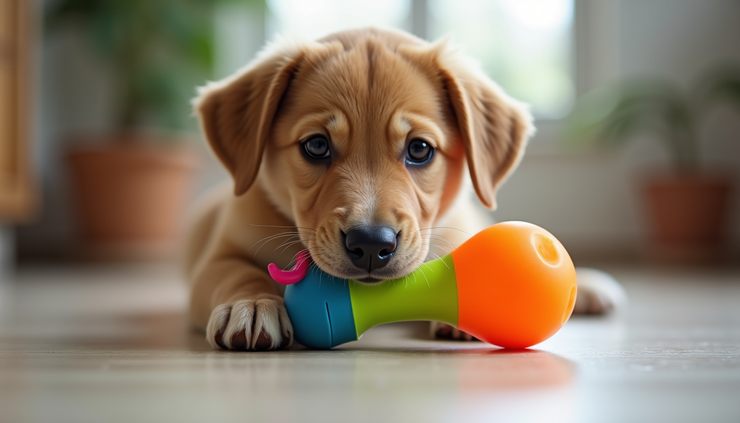
When your puppy starts to bite your hands or clothes, immediately offer a chew toy instead. This teaches them that biting is okay only when it’s directed at toys, not people.
Teach Bite Inhibition
If your puppy bites too hard during play, let out a sharp “ouch” or yelp sound. This mimics how puppies communicate with each other and signals that the bite was too strong. Then, stop playing for a short time to show that biting ends the fun.
Avoid Rough Play
Playing rough games like tug-of-war or wrestling can encourage biting. Instead, focus on gentle play and training exercises that build trust and calm behavior.
Provide Plenty of Exercise and Mental Stimulation
Puppies have lots of energy, and biting can be a sign of boredom or excess energy. Regular walks, playtime, and puzzle toys can help reduce biting by keeping your puppy engaged and tired.
Be Consistent with Rules
Everyone in the household should follow the same rules about biting. Mixed messages can confuse your puppy and slow down training progress.
Socialize Your Puppy
Expose your puppy safely to different people, animals, and environments in a controlled way. Proper socialization helps puppies learn how to interact without fear or aggression.
Common Mistakes to Avoid
Certain actions can unintentionally encourage biting or confuse your puppy. Avoid these mistakes to keep training on track:
Using your hands as toys: This teaches puppies that biting skin is acceptable.
Punishing harshly: Yelling or hitting can increase fear and aggression.
Ignoring biting: Not addressing biting allows the behavior to continue unchecked.
Inconsistent responses: Changing your reaction to biting confuses your puppy.
When to Seek Professional Help
If your puppy’s biting is aggressive, persistent, or causing injury, consider consulting a professional dog trainer or veterinarian. They can assess the behavior and recommend tailored strategies or medical evaluations if needed.


Comments