

Counter Surfing: Why Dogs Steal Food and How to Prevent It

Dog counter surfing is a common behavior that frustrates many dog owners. It happens when dogs jump up on kitchen counters or tables to grab food or objects. This habit can lead to dangerous situations, such as ingesting harmful foods or breaking valuable items. Understanding why dogs counter surf and how to prevent it can help keep your dog safe and your home intact.
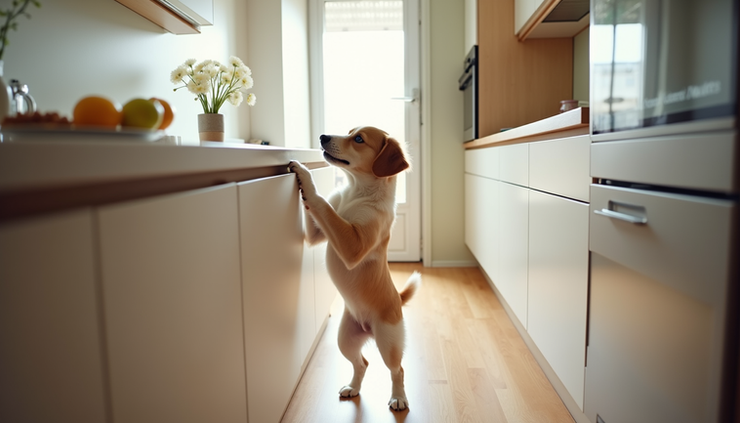
Why Dogs Counter Surf
Dogs counter surf for several reasons, mostly related to their natural instincts and environment:
Food motivation: Dogs have a strong sense of smell and are naturally drawn to food. The kitchen counter often holds tempting smells and sights.
Boredom or lack of stimulation: Dogs left alone or without enough mental and physical activity may look for entertainment by exploring counters.
Learned behavior: If a dog has successfully gotten food from the counter before, it learns that counter surfing is rewarding.
Attention seeking: Some dogs counter surf to get a reaction from their owners, even if it’s negative attention.
Hunger or inadequate feeding: Dogs that are not fed enough or on a consistent schedule may try to find extra food on their own.
Understanding these reasons helps tailor prevention strategies to your dog’s specific needs.
Risks of Counter Surfing
Counter surfing is more than just a nuisance. It can lead to serious problems:
Health hazards: Dogs may eat toxic foods like chocolate, grapes, onions, or anything spoiled.
Choking or injury: Sharp objects, bones, or small items can cause choking or internal injuries.
Property damage: Knocking over dishes, breaking glass, or damaging appliances can be costly.
Reinforcement of bad habits: Allowing counter surfing to continue can make it harder to stop later.
Preventing counter surfing protects your dog’s health and your home.
How to Prevent Dog Counter Surfing
Preventing counter surfing requires consistent training and environmental management. Here are effective strategies:
1. Manage the Environment
Keep counters clear: Remove food, dishes, and tempting items from counters.
Use baby gates or barriers: Block access to kitchens or dining areas when unsupervised.
Close doors to rooms with counters: Limit your dog’s access to areas where counter surfing happens.
Provide safe alternatives: Offer chew toys or puzzle feeders to keep your dog occupied.
2. Train Basic Commands
Teaching your dog reliable commands can prevent counter surfing:
“Leave it”: Train your dog to ignore objects or food on counters.
“Off”: Use this command to get your dog down if they jump on counters.
“Stay”: Teach your dog to stay away from counters or kitchen areas on cue.
Use positive reinforcement like treats and praise when your dog obeys.
3. Increase Physical and Mental Exercise
A tired dog is less likely to seek trouble:
Daily walks and playtime: Regular exercise reduces boredom and excess energy.
Interactive toys and puzzles: Mental stimulation keeps your dog engaged.
Training sessions: Short, frequent training builds focus and obedience.
4. Use Deterrents
Deterrents can discourage counter surfing:
Aluminum foil or double-sided tape: Place on counters to create unpleasant textures.
Motion-activated alarms: Devices that emit sounds when your dog approaches counters.
Scat mats: Safe mats that give a mild static pulse when stepped on.
Always supervise the use of deterrents and ensure they are humane.
5. Feed Your Dog Properly
Ensure your dog is well-fed to reduce food-seeking behavior:
Consistent feeding schedule: Feed at regular times to avoid hunger-driven counter surfing.
Adequate nutrition: Provide balanced meals to satisfy your dog’s dietary needs.
Avoid free feeding: Scheduled meals help regulate hunger and behavior.
Common Mistakes to Avoid
Some approaches can make counter surfing worse:
Punishing after the fact: Dogs don’t connect punishment with past actions. Punish only during the act.
Inconsistent rules: Allowing counter surfing sometimes confuses your dog.
Leaving food unattended: Temptation increases the chance of counter surfing.
Ignoring boredom: Lack of exercise and mental stimulation fuels unwanted behaviors.
Consistency and patience are key to success.

Real-Life Examples
Case 1: A Labrador retriever named Max started counter surfing after his owners left food on the counter. They cleared the counters, used baby gates, and taught “leave it.” Max stopped counter surfing within two weeks.
Case 2: Bella, a small terrier, counter surfed out of boredom. Her owners increased her daily walks and introduced puzzle toys. Bella’s behavior improved significantly.
Case 3: A dog owner used a motion-activated alarm on the counter edge. The dog quickly learned to avoid the counter after a few alerts.
These examples show that combining environment management, training, and enrichment works best.
When to Seek Professional Help
If counter surfing continues despite your efforts, consider consulting a professional dog trainer or behaviorist. Persistent counter surfing may indicate anxiety or other underlying issues that require expert guidance.


Comments