

Understanding Why Dogs Become More Reactive When Owners Miss Early Warning Signs

Dogs communicate through body language and subtle behaviors long before they escalate into reactive or aggressive actions. When owners miss these early warning signs, the dog's reactivity can increase, making situations harder to manage and potentially dangerous. This article explores why timing matters in recognizing and interrupting these signals before they escalate, offering practical advice to help owners respond effectively.

Why Dogs Become Reactive
Reactivity in dogs often stems from fear, anxiety, frustration, or overstimulation. When a dog feels threatened or overwhelmed, it may react by barking, lunging, or growling. These behaviors are not random but usually follow a progression of warning signs that owners can learn to recognize.
Dogs use early signals to communicate discomfort or unease, such as:
Avoiding eye contact
Lip licking or yawning
Stiff body posture
Raised hackles
Low growls or whines
If these signs go unnoticed or are ignored, the dog’s stress level increases. The dog may feel forced to escalate its behavior to communicate more clearly or protect itself.
The Importance of Timing in Intervention
Recognizing and responding to early warning signs is crucial. Intervening too late means the dog has already reached a heightened emotional state, making it harder to calm down or redirect.
What Happens When Owners Miss Early Signs
Increased stress: The dog’s anxiety builds, making it more reactive.
Escalation of behavior: Mild signals turn into barking, lunging, or snapping.
Owner frustration: Owners may feel overwhelmed or unsure how to respond.
Safety risks: Escalated reactions can lead to bites or injuries.
How Early Intervention Helps
Prevents escalation: Addressing signs early stops the behavior from worsening.
Builds trust: Dogs learn that owners understand and respect their feelings.
Improves communication: Owners become more attuned to their dog’s needs.
Creates positive outcomes: Early interruption allows for calm redirection or removal from triggers.
How to Recognize Early Warning Signs
Understanding your dog’s unique signals is the first step. Every dog expresses stress differently, but some common signs include:
Body language changes: Tail tucked, ears pinned back, or freezing in place.
Facial expressions: Whale eye (showing the whites of the eyes), tight lips.
Vocalizations: Low growls, whines, or sudden silence.
Behavioral shifts: Pacing, shaking, or sudden avoidance.
Owners should observe their dog in various situations to learn these cues. Keeping a journal or video recording can help identify patterns.
Practical Steps to Interrupt Reactivity Before It Escalates
Once early signs are spotted, owners can take action to prevent escalation:
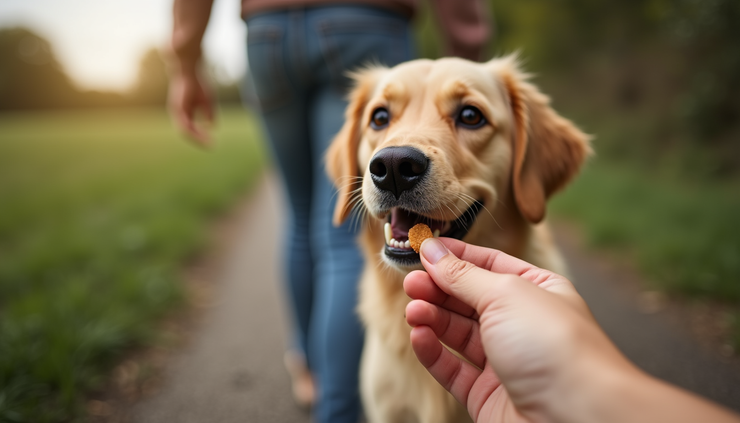
Redirect attention: Use a favorite toy, treat, or command to shift focus.
Create distance: Move away from the trigger or remove the dog from the situation.
Use calming techniques: Gentle petting, soft voice, or slow movements can soothe.
Train alternative behaviors: Teach commands like “look at me” or “sit” to interrupt unwanted reactions.
Manage the environment: Avoid known triggers or use barriers like baby gates or leashes.
Consistency is key. Repeatedly practicing these steps helps the dog learn new ways to cope with stress.
Case Example: Missed Signs Leading to Escalation
Consider a dog named Max who becomes reactive when other dogs approach on walks. Max’s owner notices Max stiffening and staring but ignores it, hoping Max will calm down. Instead, Max suddenly lunges and barks loudly.
If the owner had recognized the early signs—stiff body and intense stare—they could have:
Stopped walking toward the other dog
Called Max’s attention with a treat or command
Created distance before Max became reactive
This early intervention would have prevented the escalation and made walks more enjoyable and safe.
Training and Professional Help
Sometimes, reactivity is deeply rooted in fear or past trauma. In these cases, professional trainers or behaviorists can provide tailored guidance. They can help owners:
Identify subtle signs missed before
Develop a step-by-step plan for early intervention
Use positive reinforcement to build confidence and reduce fear
Manage triggers safely during training
Seeking help early can prevent reactivity from becoming a long-term problem.


Comments