

Decoding Canine Communication Understanding Your Dog's Body Language

Dogs do not speak with words, but they communicate volumes through their bodies. Every wag of the tail, tilt of the head, or shift in posture tells a story. Learning to read these signals helps us understand what our dogs feel and think, strengthening the bond between human and canine. This guide explores how dogs use their tails, ears, head movements, and posture to express themselves, offering practical tips to recognize and respond to their silent language.
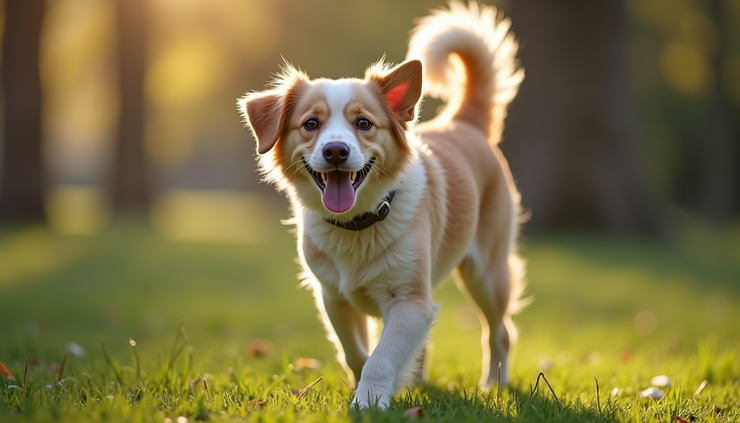
Image caption: A dog’s tail wagging energetically to show excitement and friendliness.
How Dogs Use Their Tails to Communicate
The tail is one of the most expressive parts of a dog’s body. It acts like a flag, signaling emotions ranging from happiness to fear.
Wagging: A fast, wide wag usually means excitement or friendliness. But a slow, stiff wag can indicate uncertainty or caution.
Tail Position: A high tail often shows confidence or alertness. A low or tucked tail signals fear, submission, or discomfort.
Tail Movement: Circular wagging can mean happiness, while a tail held straight out might show focus or interest.
For example, when a dog meets a new person and wags its tail loosely at mid-level, it’s often a sign of friendly curiosity. But if the tail is stiff and raised high, the dog might be on alert or feeling dominant.
What Ears Reveal About Your Dog’s Feelings
Dogs’ ears are highly mobile and sensitive, shifting to express mood and attention.
Ears Forward: This usually means the dog is alert, curious, or interested in something.
Ears Back: Flattened ears can show fear, anxiety, or submission.
Ears Moving Side to Side: This can indicate the dog is trying to catch sounds or is uncertain.
For instance, a dog with ears perked forward and eyes focused on a toy is likely excited and ready to play. If the ears are pinned back and the dog avoids eye contact, it might be feeling nervous or threatened.
Head Movements and What They Mean
Dogs use their heads to communicate subtle messages that often go unnoticed.
Head Tilt: When a dog tilts its head, it often shows curiosity or is trying to understand something.
Lowering the Head: This can be a sign of submission or respect.
Raising the Head: A raised head with direct eye contact might indicate confidence or challenge.
A common example is when a dog hears a strange sound and tilts its head to focus better. This gesture invites interaction and shows engagement.
Reading Your Dog’s Posture
Posture is a key indicator of a dog’s emotional state and intentions.
Relaxed Posture: Loose muscles, soft eyes, and a wagging tail usually mean the dog is comfortable and happy.
Stiff Posture: A rigid body with raised hackles can signal aggression or fear.
Cowering or Lowered Body: This shows submission, fear, or discomfort.
Play Bow: Front legs stretched forward with rear up signals an invitation to play.
For example, a dog standing tall with a stiff tail and direct stare may be warning to back off. On the other hand, a dog lowering its body and avoiding eye contact is likely scared or submissive.
Combining Signals for Clearer Understanding
No single body part tells the whole story. Dogs combine tail, ear, head, and posture signals to communicate complex feelings.
A wagging tail with ears back and a lowered body might mean nervousness despite friendliness.
Ears forward, head raised, and stiff posture could indicate alertness or potential aggression.
Relaxed ears, soft eyes, and a play bow clearly invite interaction.
Observing these combinations helps avoid misunderstandings and keeps interactions safe and positive.
Practical Tips to Improve Your Dog Communication Skills
Watch for changes: Notice how your dog’s body language shifts in different situations.
Respect signals: If your dog shows signs of fear or discomfort, give space and time.
Respond appropriately: Use calm voices and gentle movements when your dog is anxious.
Practice regularly: Spend time observing your dog during walks, play, and rest.
Learn breed differences: Some breeds have naturally different ear or tail positions.
Why Understanding Body Language Matters
Understanding your dog’s body language improves safety, reduces stress, and deepens your relationship. It helps you:
Prevent bites or aggressive encounters by recognizing warning signs early.
Support your dog’s emotional needs by responding to fear or anxiety.
Enhance training by reading when your dog is focused or distracted.
Strengthen trust through better communication.
Dogs rely on body language because they do not have spoken words. By learning their silent language, you give your dog a voice and show respect for their feelings.


Comments